THE LOOM
Warp under tension
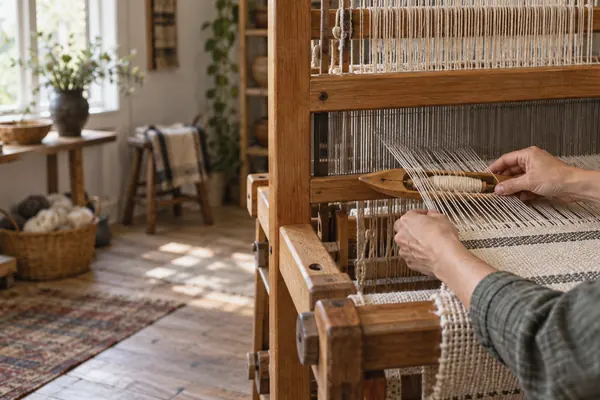
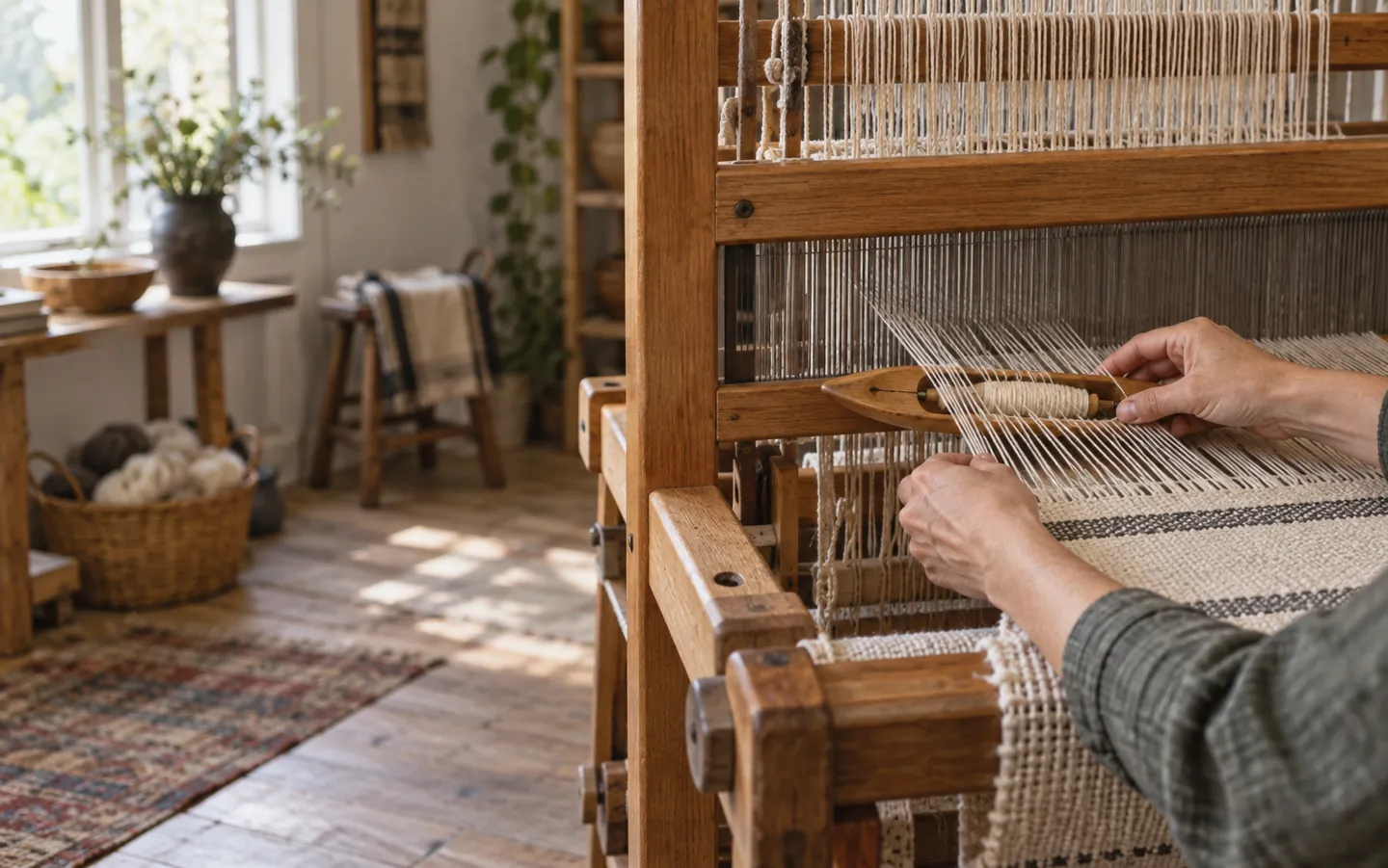
The warp is the vertical set of threads, held tight on the loom. Lifting some of them opens a triangular space, the shed, for the weft to pass through.
Spot the weave doodlewarp
HOW CLOTH IS BUILT
Look closely at a shirt and you will find a grid.
WARP · WEFT over, under, repeat
45° Where woven fabric stretches most
Woven cloth is made from two sets of threads. The warp is held tight on the loom; the weft is passed across it, over and under. Change the over-and-under pattern and you change the whole fabric.
THE SHORT ANSWER
A loom holds the warp under tension
so the weft can be inserted with ease.
THE LOOM
The warp is the vertical set of threads, held tight on the loom. Lifting some of them opens a triangular space, the shed, for the weft to pass through.
Spot the weaveTHE WEAVES
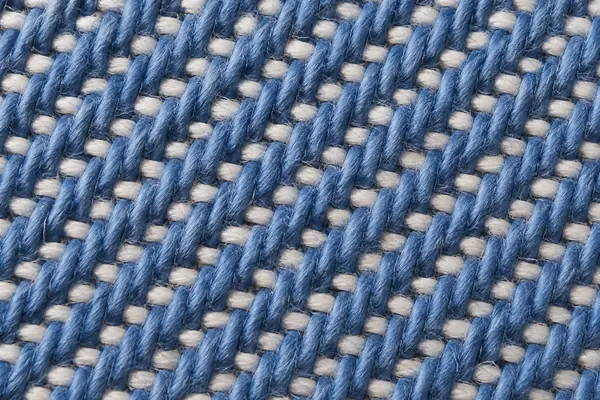
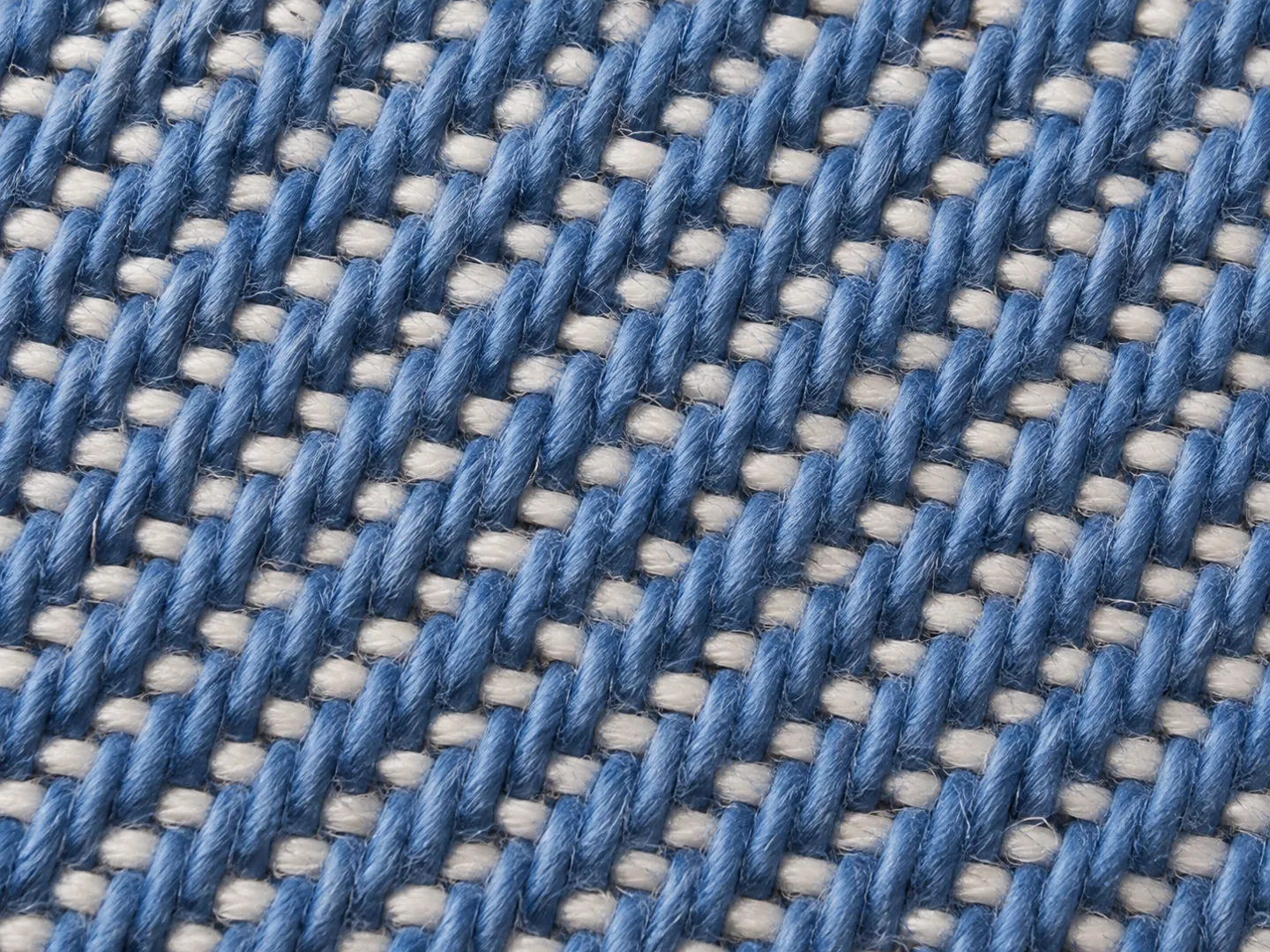
These are the three basic weaves. Twill staggers the crossings to make a diagonal line, which is why denim is a cotton twill.
See the numbersTHE PATTERN
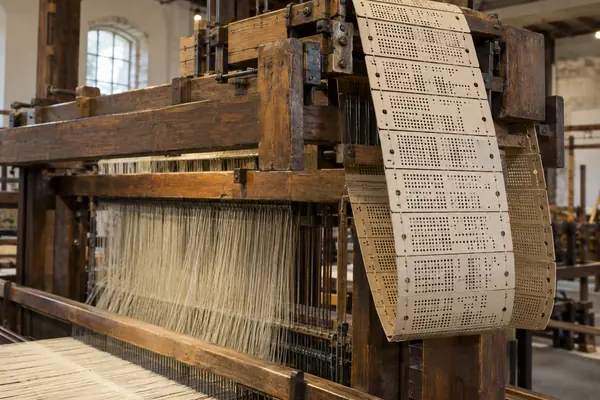
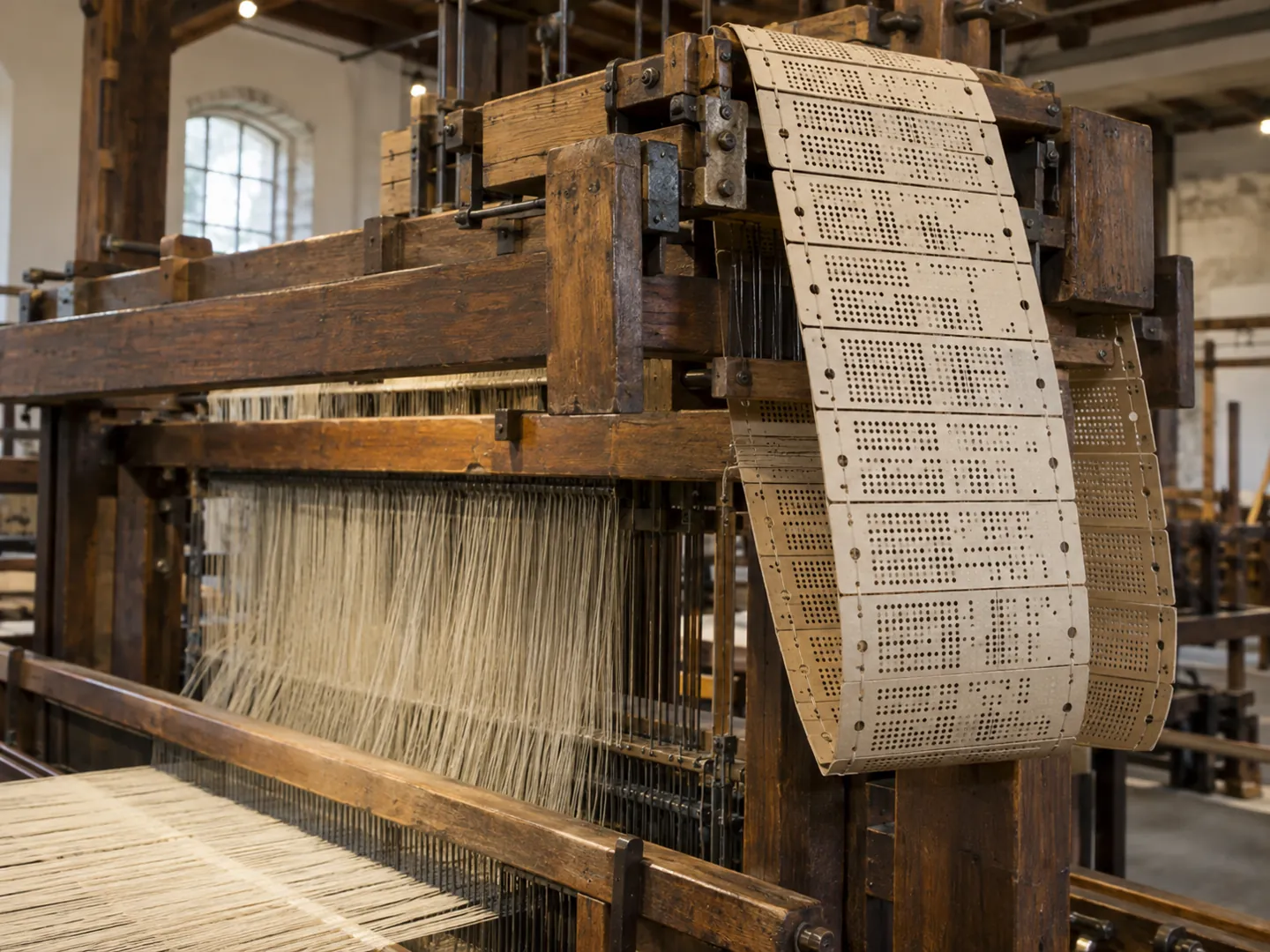
On a Jacquard loom, punched cards decide which warp threads lift. The Science Museum calls punched cards a precursor to modern computing.
From loom to computerA QUICK WEAVE CHECK
Pick a weave to see how the weft travels and what it does to the cloth. The bar shows how many harnesses the loom needs, a rough measure of complexity.
Based on the US National Park Service article on weaving patterns at the Boott Cotton Mills Museum.
FOUR THINGS TO TRY
You can see warp and weft on most woven fabrics at home with good light and a little patience.
The selvage is the firm edge along the length of woven fabric. The warp runs parallel to it.
Warp yarns are usually more tightly twisted, stronger and more stable than weft yarns, so the lengthwise grain is usually the more stable one.
Stretch along the bias, especially at 45 degrees, where woven fabric has the greatest give.
A clear diagonal rib means twill; a smooth, shiny face with no diagonal suggests satin; a simple grid is plain weave.
TWO NUMBERS WORTH KNOWING
One number for anyone who sews,
one for anyone curious about looms.
45°
Where woven fabric stretches most
True bias is the 45-degree angle between the lengthwise and crosswise grain. Kentucky Cooperative Extension says this is where a woven fabric has the greatest give.
GRAIN · KENTUCKY EXTENSION
4+
Warp threads the weft skips under
In satin, the weft passes over one warp thread and under four or more, and the loom needs at least five harnesses. Plain weave needs two, twill at least three.
SATIN · NATIONAL PARK SERVICE
Satin is a structure, not a fibre: the NPS notes it can be woven from any fibre, and satin weaves in cotton, rayon or synthetics are sometimes called sateen.
FROM LOOM TO COMPUTER
The Jacquard machine was first developed in France in 1804 to 1805. Cards punched with holes press against pins: where there is a hole, the pin passes through; where there is none, it is stopped. That decides which warp threads lift, and so the pattern.
The Science Museum Group says using punched cards to store information was a precursor to modern computing, and that the first computers used punched cards similar to those on a Jacquard loom.
Questions
The warp is the set of lengthwise threads held under tension on the loom. The weft, also called woof or filling, is passed across them, over and under.
Denim is a cotton twill, usually with an indigo warp and white weft. In twill, the crossings are staggered, which creates a diagonal line.
No. Satin is a weave structure, so it can be woven from any fibre. The NPS notes that some say only silk counts as true satin, and cotton versions are often called sateen.
Bias is any diagonal direction on the fabric. True bias is at 45 degrees to the grain, where woven fabric has the greatest give.
Kentucky Cooperative Extension says garments cut off-grain can stretch where they should not, sag at the hems and be uncomfortable. Fabric can also go off-grain during finishing.
Updated
ABOUT THIS NAME
doodlewarp.com is part of the DoodleSale portfolio. It isn't in an auction right now, but you can ask about leasing it.